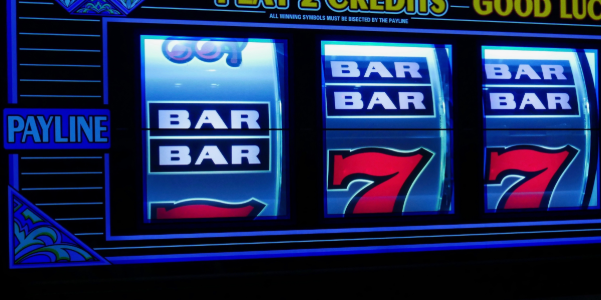
A progressive jackpot is a slot prize that grows as eligible bets add money to a prize pool. It starts from a set base amount, then rises until a qualifying spin wins it. After the payout, the jackpot returns to its starting value and begins building again.
For players, the number on the jackpot meter is only part of the picture. The game rules explain which bets qualify, how the pool grows and what triggers the prize. Those details explain how progressive jackpots work and help readers judge a progressive slot on its rules rather than on the size of the headline amount.
How A Progressive Jackpot Grows
A progressive slot links its top prize to a growing pool. A small part of eligible wagers is added to that pool, so the jackpot rises as more qualifying bets are placed.
The pool starts from a seed value. If the seed is £50,000, the prize resets to £50,000 after a win rather than dropping to zero. New eligible wagers then build it above that amount.
The rate of growth comes from the number of qualifying bets feeding the pool. A jackpot linked across many games or sites can rise faster than one attached to a single game.
The winning trigger is set in the game rules. One slot can require a specific symbol combination. Another can use a bonus feature or a separate random selection. The jackpot meter shows the current prize value. It doesn’t show how close the game is to paying out.
For more detail on reels, paylines and random number generators, read How Do Online Slot Machines Work?
Progressive Jackpots and Fixed Jackpots Are Different
A fixed jackpot pays a stated amount. If the prize is £10,000, player activity doesn’t push that figure higher.
A progressive jackpot changes in value. Eligible play increases the pool above its starting amount until someone wins it.
That difference is about prize funding, not winning frequency. A six-figure progressive prize is not automatically harder or easier to trigger than a smaller fixed jackpot. The game rules set the chance of winning.
The Main Types of Progressive Jackpot
| Jackpot type | Where the money comes from | How the prize grows | What to check before playing |
| Standalone progressive | Eligible bets on one game or game instance | Growth comes from play tied to that jackpot | Qualifying stake, trigger and reset value |
| Network progressive | Eligible bets across linked games, sites or operators | A larger group of players feeds one shared prize | Network eligibility, trigger rules and stake effect |
| Must-drop or daily jackpot | Eligible bets plus a set starting amount | The prize rises until it is awarded before a stated time or value | Deadline, ceiling, entry rules and winner selection |
| Fixed jackpot | A predetermined prize set in the game | Player activity doesn’t raise the amount | Trigger condition and fixed payout |
Standalone Progressives
A standalone progressive is tied to one slot or one limited game instance. Its prize pool receives money from that source of play, so growth is often slower than on a large network jackpot.
The smaller pool does not prove better odds. A standalone game can still use a rare jackpot trigger. The label tells you where the funding comes from, not how easy the prize is to win.
Network Progressives
A network progressive links several games, casino sites or operators to one shared jackpot. Large numbers of eligible bets can feed the same pool, which helps explain why network jackpots can reach high values.
A wider network means more activity across the whole system. It does not automatically improve the chance attached to one qualifying spin. Your chance comes from the game’s jackpot rules, including any stake-based entry conditions.
Must-Drop and Daily Jackpots
A must-drop jackpot has a payout boundary. The prize has to be awarded before a stated value, time or other limit. Daily jackpots use a time limit, usually within a defined daily period.
The boundary tells you that the jackpot cannot keep rising past that point. It does not tell you the exact chance on your next spin. The game rules explain how entries are counted and how the winning play is selected.
A Qualifying Bet Can Change Your Eligibility
A visible jackpot doesn’t mean every stake can win it.
Some progressive slots set a minimum qualifying stake. Others use a set bet level or specific active paylines. Certain systems weight entries by the amount staked or contributed.
Increasing your stake without checking the game information can raise your spending without giving you any extra jackpot benefit. A maximum bet isn’t a universal rule.
Before playing, check the paytable or help section for the exact qualifying amount and any link between stake size and jackpot entry.
RTP Doesn’t Tell You the Jackpot Odds
Return to player, or RTP, is a long-run theoretical percentage for a game. It describes expected return across a very large number of plays. It doesn’t state the chance that the next spin will win the jackpot.
A progressive jackpot can form part of the game’s total RTP. Part of the theoretical return can therefore sit in a rare top prize.
Two slots with similar RTP figures can still produce very different patterns of results. A higher RTP figure does not prove that the jackpot is easier to trigger.
For a fuller explanation of RTP and what the percentage can tell you, read What Is RTP in Slots? A Simple Explanation.
Progressive Jackpots and Volatility
Many progressive jackpots are high volatility because a large amount of potential value can sit in a rare top prize. However, a progressive jackpot doesn’t by itself determine a game’s volatility, so check the provider’s published rating and game rules.
Volatility describes the pattern of returns. Lower-volatility slots produce smaller wins more often. Higher-volatility slots place more value in less frequent, larger wins.
The jackpot is only one part of the slot. The base game can have its own win pattern, so a large progressive prize doesn’t tell you how often smaller wins appear during normal play.
Slot Volatility Explained gives more detail on how win size and win frequency shape the playing experience.
A Larger Jackpot Doesn’t Make the Next Spin More Likely to Win
A conventional progressive jackpot can rise from £100,000 to £500,000 without changing the probability attached to the next qualifying spin. The prize has grown; the random trigger has not become more favourable.
A large prize can look “ready” to pay after a long period of growth. The jackpot size doesn’t change the underlying odds: the probability remains tied to the game’s rules rather than to the amount shown on the meter.
A jackpot that has gone a long time without a winner isn’t owed to the next player. Previous losing spins don’t push a random progressive closer to a win.
Must-drop jackpots work differently: they have a stated payout boundary. Even there, the displayed value or countdown doesn’t explain the full probability. The entry and selection rules still matter.
What to Check Before Playing a Progressive Slot
Start with the game information, not the jackpot banner.
Check the qualifying stake first. Find out if the jackpot requires a certain bet level. Then read the trigger rules and the reset value. For a must-drop game, note the deadline or maximum amount.
Look for any rule that links stake size to jackpot eligibility or entry weighting. A higher stake changes your jackpot position only if the game says it does.
The same check applies to a jackpot shown in an online casino lobby. Confirm that the displayed prize belongs to the version of the game you are opening. A large figure has little value if the eligibility terms are unclear.
Clear game rules help you compare progressive slots on useful points: cost of entry, trigger method, jackpot type, RTP information and volatility. Those details are more useful than promotional wording around a growing prize.
What the Jackpot Figure Really Tells You
A progressive jackpot meter tells you how much the prize is worth at that moment. It doesn’t tell you the chance of winning the next spin, the stake needed to qualify or the volatility of the base game.
A bigger jackpot means a bigger possible payout. It doesn’t make a random spin a better bet.
Read the jackpot amount and the game rules as separate pieces of information. Check how the pool is funded, which bets qualify and how the jackpot is triggered before deciding if the game fits your budget and preferred level of risk.